Grams, Glamour, and the Ghost of What Minimalist Backpacking Used to Mean
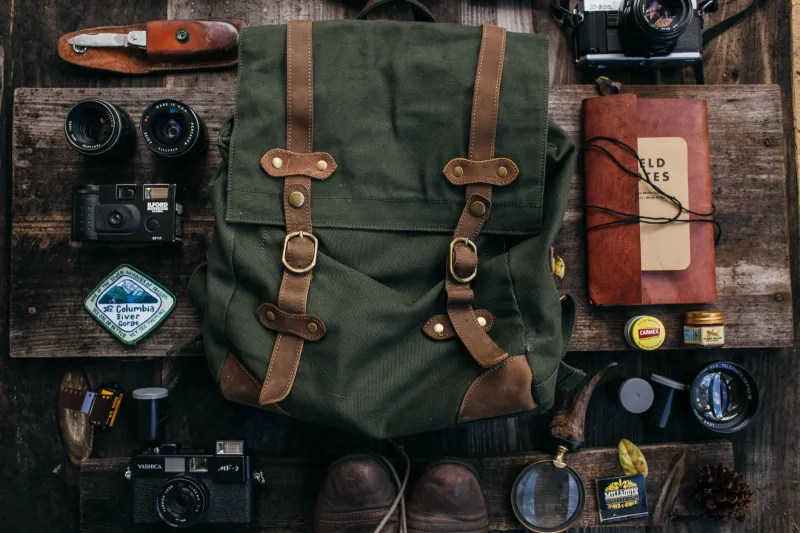
There's a particular kind of irony that lives on the trail these days. You'll spot it at a trailhead in the Eastern Sierra, or maybe at a hostel in Asheville before someone heads into the Smokies. It looks like a hiker — backpack barely bigger than a school lunch bag, shelter that weighs less than a paperback novel, shoes that seem almost insultingly thin. The setup looks effortless. It is anything but cheap.
We're talking $600 quilts. Titanium cook pots that cost more than a week's groceries. Rain jackets stitched from fabrics that sound like they belong in aerospace. The ultralight movement, once a fringe philosophy practiced by obsessive thru-hikers and dirtbag long-distance walkers, has quietly transformed into one of the outdoor industry's most profitable — and most contradictory — corners.
Where It Started: The Anti-Gear Gospel
Ray Jardine didn't invent ultralight backpacking, but he popularized the mindset with a kind of evangelical intensity. His Beyond Backpacking, published in the late '90s, wasn't just a gear guide — it was a manifesto. The core message was almost anti-consumerist: stop buying what REI tells you to buy, make your own stuff, strip your pack down to the essentials, and move through wild places the way wild places deserve.
Early adopters were largely DIY obsessives. They sewed their own shelters from silnylon, cut the handles off toothbrushes, and haunted forums like BackpackingLight.com trading tips that had nothing to do with brand loyalty. The culture rewarded ingenuity over income. A homemade alcohol stove made from a cat food can was a badge of honor, not an embarrassment.
That ethos — creative, resourceful, slightly anarchic — is still technically alive. But it's been buried under an avalanche of premium products that have reframed the entire conversation.
When Minimalism Got a Marketing Budget
Somewhere around the mid-2010s, the outdoor industry noticed what was happening in ultralight circles and did what it always does: it monetized the subculture. Brands like Zpacks, Gossamer Gear, and a dozen smaller boutique makers started producing genuinely impressive lightweight gear. The quality was real. But so was the price.
Then Instagram arrived — or rather, Instagram arrived and hikers arrived on Instagram — and everything accelerated. The visual appeal of a perfectly minimal setup, photographed against a ridgeline at golden hour, proved irresistible. Suddenly, the aesthetic of doing-more-with-less became aspirational content. And aspirational content has a way of attracting aspirational spending.
The average cost of a "competitive" ultralight base weight setup today — shelter, sleep system, pack, and rain gear — can easily run $2,000 to $4,000 or more. That's before you buy food, permits, gas to the trailhead, or the kind of time off work that multi-day wilderness trips require. The people who built this culture on $40 homemade tarps are watching it get repackaged and sold back to a demographic that can afford to care about grams because they've never had to count dollars.
The Social Cost Nobody Wants to Post About
Let's be direct: the ultralight gear market, like most of the outdoor industry, skews heavily toward affluent, white consumers. That's not a judgment about individuals — it's a structural reality with real consequences.
When the dominant image of a "serious" backpacker involves a $700 carbon fiber pack and a cuben fiber bivy, it sends a message about who belongs in the backcountry. Trail communities in gateway towns — places like Lone Pine, California, or Erwin, Tennessee, or Anaconda, Montana — are already navigating complex relationships between outdoor tourism and local economic reality. The fetishization of premium gear doesn't exactly bridge that gap.
There's also a quieter cost playing out in trail culture itself. When the conversation shifts from how do I move through wild places thoughtfully to which titanium stakes are worth the weight penalty, something gets lost. The philosophical core of minimalism — presence, humility, connection to place — gets subordinated to consumption. You end up with people spending thousands of dollars to perform simplicity.
The Gear Churn Problem
Here's where the environmental irony gets sharp. Ultralight materials — Dyneema composite fabrics, certain silicone-impregnated textiles, exotic foam blends — are often difficult or impossible to recycle. They're engineered for performance, not longevity or end-of-life disposal. And the culture of constant iteration, driven by manufacturers releasing new "improved" versions and influencers showcasing the latest kit, means gear gets retired fast.
In remote resupply towns along major long trails, gear boxes and donated equipment pile up at hostels and post offices. Some of it is genuinely worn out. But a surprising amount gets abandoned simply because someone upgraded mid-trail, chasing a few more grams of savings. The environmental footprint of that churn rarely shows up in the glossy Instagram posts about leaving no trace.
This isn't unique to the ultralight world — the outdoor industry broadly has a complicated relationship with sustainability messaging versus actual production practices. But there's a particular sting when it happens inside a movement that built its identity around taking only what you need.
What the Trail Actually Asks For
None of this means ultralight principles are wrong. Carrying a lighter pack genuinely does reduce trail impact — lighter hikers do less erosion damage, move more efficiently, and often experience the landscape more directly. The underlying philosophy, when it's actually practiced rather than performed, still holds up.
And there are still people doing it right. The person who's been hiking in the same pair of worn-down trail runners for three seasons. The solo backpacker with the beat-up tarp that's been repaired with dental floss and tenacity. The thru-hiker who mailed ahead a cheaper sleeping bag because the ultralight quilt was out of budget, and figured out how to stay warm anyway.
Those people aren't getting the Instagram engagement. But they're carrying the actual culture.
Reclaiming the Weight You Actually Need to Drop
If ultralight backpacking wants to be something more than a luxury aesthetic, the community has some work to do. That means celebrating resourcefulness over brand loyalty. It means acknowledging that the most meaningful thing you can shed before hitting the trail might not be ounces from your kit, but assumptions about who gets to belong in wild places.
The backcountry doesn't care what your pack weighs or what it cost. The mountain doesn't check your gear list. What the trail asks for — and what the original ultralight philosophy, at its best, was actually pointing toward — is attention. Presence. A willingness to move through landscape on its own terms rather than yours.
That's still free. For now, anyway.