Silver Nails and Broken Dreams: Hunting the Sierra's Forgotten Mining Ghosts at 10,000 Feet
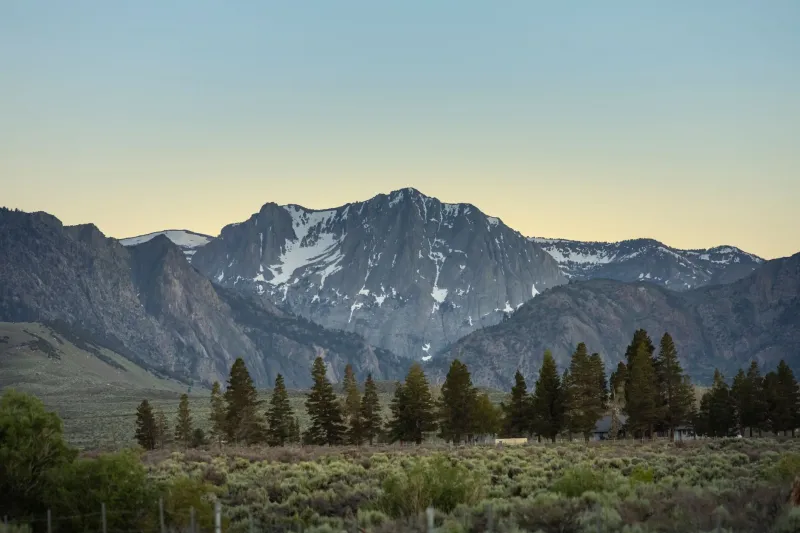
There's a particular kind of silence that settles over a place where people once lived loud, frantic lives. You feel it when you push through a stand of lodgepole pines and stumble onto the sagging remains of a bunkhouse — walls tilted like a drunk leaning on a bar, roof half-eaten by decades of Sierra snowpack. Nobody mapped this for you. No trail marker pointed the way. You just followed a hunch, a creek drainage, and an old surveyor's note you found buried in a county archive.
Welcome to ghost town hunting in the Sierra Nevada. It's messier, colder, and far more rewarding than anything you'll find on a curated day-hike list.
The Gold Rush Didn't Stop at Sutter's Mill
Most people's mental image of the California Gold Rush is a muddy riverbank at low elevation — pans, picks, and tent camps crowded along the American River. But the fever climbed. By the 1860s and 1870s, prospectors were pushing into terrain that would make most modern backpackers flinch. Hydraulic operations, hard-rock mines, and placer claims spread across the Sierra at elevations where the snow doesn't fully leave until July.
Settlements like Bodie get the tourist treatment — state park status, admission fees, Instagram crowds. But Bodie is the exception. For every preserved ghost town with a parking lot, there are dozens of nameless camps that the wilderness quietly reclaimed. Collapsed stamp mills hidden in timber. Stone foundations swallowed by manzanita. Iron stove legs rusting into the meadow soil like old bones.
These are the places worth chasing.
What Life Actually Looked Like Up There
Let's not romanticize it too hard. Living at 10,000 feet in the 1870s was brutal in ways that even seasoned winter campers would find humbling. Miners endured eight-month winters in structures that were barely insulated, surviving on salt pork and whatever they could pack in on mule trains before the passes closed. Scurvy wasn't uncommon. Frostbite was expected. The isolation was profound in a way that no amount of modern "digital detox" can replicate — these men were genuinely cut off from the world for months at a stretch.
And yet communities formed. Saloons opened. Newspapers circulated. A surprising number of high-elevation camps had functioning post offices, which tells you something about human stubbornness in the face of geography. The social fabric of these places was tight precisely because the environment demanded it. You cooperated or you didn't survive the winter.
The artifacts that remain reflect that reality. Broken glass from medicine bottles. Leather boot soles preserved under collapsed floorboards. The occasional coin, corroded to the point of anonymity. These aren't museum pieces — they're the residue of desperate, hopeful, very human lives.
Why the Best Sites Stay Off the Map
Here's where things get a little complicated, and honestly, it's worth sitting with the discomfort.
A lot of the most intact high-country mining sites are deliberately absent from mainstream hiking guides. Some of that is bureaucratic — land managers don't always publicize archaeological sites to prevent looting, and under the Archaeological Resources Protection Act, disturbing artifacts on federal land carries real legal consequences. Some of it is informal community gatekeeping among the history nerds and backcountry regulars who've spent years locating these spots and have watched what happens when a location goes viral.
What happens is predictable: foot traffic spikes, artifacts disappear into backpacks, and a site that survived 150 years of wilderness gets trashed in a single busy summer. It's the same story that's played out with slot canyons, desert petroglyphs, and tide pools. Discovery without responsibility is just a slower form of destruction.
So the ethics matter here. If you find something, leave it. Photograph it, document it, feel the weight of standing somewhere that time forgot — and then walk away without taking anything except the memory.
How to Actually Find Them
This is the part that requires some homework, and honestly, the homework is half the fun.
Start with county assessor records and USGS historical topographic maps — the 1890s and early 1900s editions often show mine shafts, stamp mills, and camp names that have since vanished from modern cartography. The David Rumsey Map Collection is an incredible free resource for this kind of digging. State library archives, especially the California History Room at the State Library in Sacramento, hold surveyor reports and mining district records that can point you toward specific drainages worth investigating.
Local historical societies are underrated gold mines (pun intended). Small-town museums in places like Bridgeport, Lone Pine, or Mariposa often have volunteer historians who know the terrain intimately and will share information with people who approach respectfully and demonstrate genuine interest rather than treasure-hunting energy.
On the ground, you're looking for landscape anomalies: unnatural depressions, tailings piles (those distinctive fan-shaped mounds of processed rock), water diversions that don't follow natural flow patterns, and old-growth timber gaps where structures once stood. A good eye for terrain reads these clues like text.
Going Prepared — This Isn't a Day Hike
The sites worth finding are rarely accessible by maintained trail. You're navigating cross-country at elevation, often through dense timber or talus fields, in terrain where afternoon thunderstorms materialize with minimal warning. The Sierra's high country plays by its own rules regardless of what the forecast said at the trailhead.
Beyond standard backcountry prep — ten essentials, bear canister, navigation skills — ghost town exploration adds a few specific considerations. Old mine shafts are genuinely dangerous. Vertical drops, bad air, unstable timber supports: do not enter them, full stop. Structural ruins can collapse without warning. Treat every old building the way you'd treat a cornice on a loaded snowfield — admire it from a safe distance.
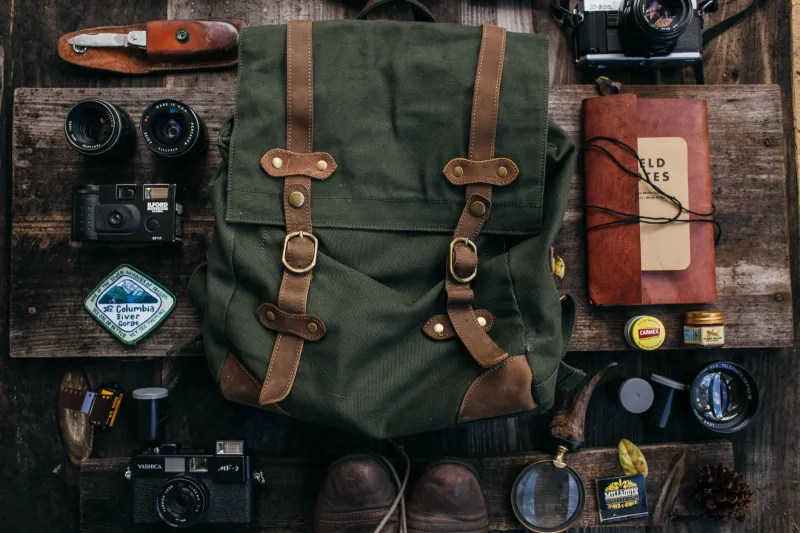
Come with a camera, a notebook, and maybe a hand lens for examining artifacts up close without touching them. Come with curiosity rather than a collecting mindset. The goal is witnessing, not acquiring.
The Mountain Keeps Its Secrets on Its Own Terms
There's something humbling about standing in a place where the wilderness has methodically, patiently taken back what humans briefly claimed. The Sierra Nevada doesn't hold grudges — it just keeps snowing, keeps freezing and thawing, keeps growing trees through floorboards and pushing cabin walls outward with frost. A century and a half is nothing to a mountain.
But for the trekker willing to do the research, read the landscape, and move through these places with genuine respect, the payoff is extraordinary. You get a version of history that no museum can replicate — unmediated, unrestored, and completely, bracingly real.
The trail ends at the trailhead. The real ground starts after that.