Fading Footprints: America's Dying Trail Towns and Why Every Hiker Should Care
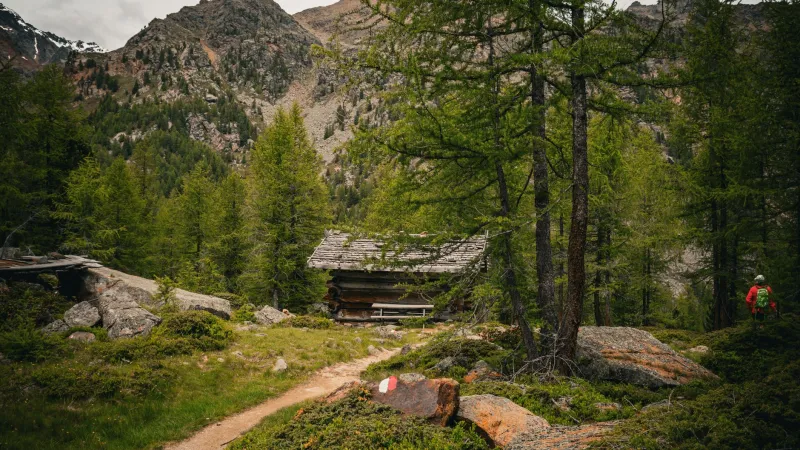
There's a particular kind of magic that happens when a thru-hiker stumbles off a remote trail and into a tiny mountain town. Boots caked in mud, pack straps digging into raw shoulders, stomach growling like a bear coming out of hibernation—and then, suddenly, a hand-painted sign promising hot showers and homemade pie. For decades, these little communities have been the unsung heroes of American long-distance hiking. But right now, a lot of those signs are coming down.
Across the country—along the Appalachian Trail, the Pacific Crest Trail, the Continental Divide Trail, and dozens of lesser-known routes—the small towns that once thrived on hiker traffic are struggling to survive. Economic pressure, aging populations, rising property costs, and shifting demographics are quietly gutting the infrastructure that adventurers have relied on for generations. And most hikers don't even realize it's happening until they roll into town and find a padlocked door where a hostel used to be.
The Anatomy of a Trail Town
Not every town near a trail qualifies as a true trail town. The real ones have a specific character—part general store, part community center, part accidental museum of hiking culture. Think Damascus, Virginia, where the AT runs right down Main Street and locals have been hosting Trail Days since 1987. Or Stehekin, Washington, accessible only by ferry or floatplane, where the bakery opens at dawn specifically for PCT hikers. Or Pie Town, New Mexico, a tiny CDT stop that's basically an entire identity built around a single dessert.
These places didn't become trail towns by accident. They evolved over time, shaped by the rhythms of the hiking seasons and the needs of people moving through on foot. The proprietors who run them often aren't doing it for the money—they're doing it because they genuinely love the culture, the community, and the endless parade of filthy, grateful strangers who pass through their doors.
Who's Feeling the Pressure
Talk to the people running trail-adjacent hostels and gear resupply points long enough, and a pattern emerges. The challenges aren't dramatic—there's no single villain, no catastrophic event. It's more like a slow leak.
Rising property taxes in scenic areas are pricing out the small operators who've run budget-friendly hiker hostels for years. The same remote locations that make these towns charming also make them logistical nightmares—supply chains are expensive, reliable employees are hard to find, and internet connectivity (increasingly essential for running any business) is often terrible. Meanwhile, the demographic of trail town proprietors skews older. Many of the people who built these businesses from scratch in the '80s and '90s are now in their 60s and 70s, and there simply aren't enough younger entrepreneurs willing to take on the grind of running a low-margin hiker hostel in the middle of nowhere.
The economic math is brutal. A hiker hostel might charge $25–$35 a night for a bunk. Factor in utilities, maintenance, insurance, and the seasonal nature of the business, and the margins are razor-thin. One bad winter, one burst pipe, one pandemic—and suddenly the numbers don't work anymore.
Towns You Should Visit Right Now
If you're planning a long-distance hike or even just a weekend section trip, some of these communities deserve to be on your radar before they're gone.
Erwin, Tennessee sits on the AT and has long been a critical resupply stop, but like many small Appalachian towns, it's navigating serious economic headwinds. The hostel scene there has thinned out considerably in recent years.
Belden, California on the PCT is little more than a resort and a post office at this point, but it's a genuine lifeline for northbound hikers grinding through the Sierra Nevada aftermath. Its future is uncertain.
Encampment, Wyoming near the CDT is the kind of place that feels like it exists outside of time—in the best possible way. But foot traffic is inconsistent, and the businesses that cater to hikers operate on faith as much as profit.
On the flip side, some trail towns are genuinely thriving and worth celebrating. Hot Springs, North Carolina has reinvented itself as a wellness and outdoor recreation destination without losing its gritty hiker-hostel soul. South Lake Tahoe, California serves PCT hikers with a full suite of services, though it's grown so popular it sometimes feels more resort than trail town. Salida, Colorado near several CDT and Colorado Trail segments has developed a robust outdoor economy that supports hikers without depending entirely on them.
How to Be a Better Trail Town Visitor
The single most powerful thing any hiker can do is spend money locally and intentionally. That sounds obvious, but the rise of mail drops and Amazon resupply boxes has quietly siphoned dollars away from the small-town outfitters and grocery stores that trail towns depend on.
Skip the mail drop when you can. Buy your resupply food from the local grocery store, even if it costs a little more. Eat at the diner instead of cooking ramen in the hostel kitchen. Buy a piece of gear from the local outfitter even if you could get it cheaper online. Leave a review for the hostel that gave you a warm bunk during a rainstorm. These aren't huge gestures—but multiplied across thousands of hikers, they genuinely matter.
Also: slow down. Trail towns reward the hikers who linger. The stories you'll collect from a single afternoon at a local bar or diner are worth more than the miles you'd cover by pushing through. And those conversations—with the retired AT thru-hiker who now runs the hostel, the fourth-generation hardware store owner who stocks hiker supplies out of habit—are the kind of human moments that make long-distance hiking something more than just a physical challenge.
The Bigger Picture
There's something poetic and a little painful about the fact that hiking has never been more popular in America, yet the communities built to support hikers are struggling to stay alive. Trail use is up across the board. Gear sales are booming. Instagram is full of people in scenic mountain passes. And still, the little hostel in the little town at the bottom of the mountain can't make rent.
Part of the solution is awareness—which is why articles like this matter. Part of it is advocacy, supporting organizations like the American Hiking Society and local trail associations that work to sustain trail town infrastructure. And part of it is just showing up: choosing the road less traveled, spending a night somewhere small and imperfect, and being the kind of traveler who leaves a place a little better than they found it.
The trail doesn't end at the trailhead. It runs right through the heart of these communities. And if we're not careful, we'll hike right past them until they're gone—and then wonder where all the magic went.