Lost in Time: The Eerie Trail Relics Nobody Is Supposed to Find
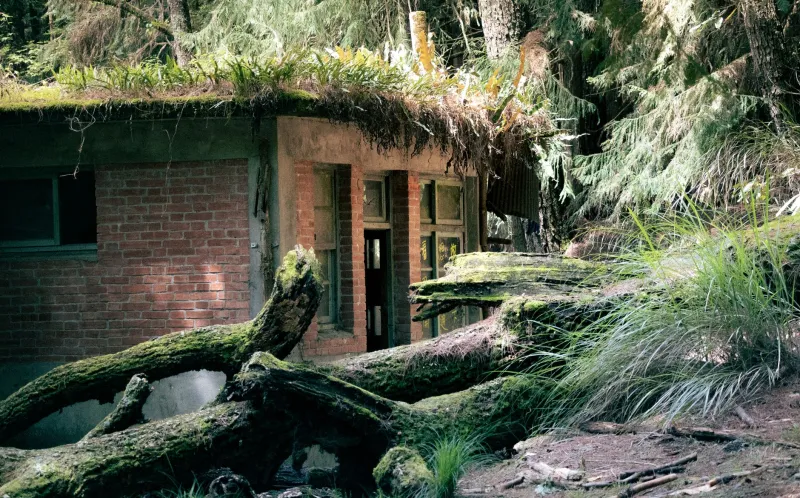
Somewhere in the backcountry of central Idaho, tucked beneath a granite overhang that hasn't seen a boot print in probably thirty years, there's a rusted tin box. Inside: a coil of paracord, a hand-drawn map on wax paper, three matches still wrapped in foil, and a note in faded pencil that reads "For whoever needs it more than me." Nobody knows who left it. Nobody knows when. And depending on who you ask, nobody should touch it.
This is the world of ghost gear — the scattered remnants of expeditions abandoned, trails forgotten, and hikers who passed through and never returned. It's a subculture hiding in plain sight, waiting for the kind of explorer willing to push past the trailhead signs and into the genuinely unknown.
What Exactly Is a Ghost Gear Cache?
The term isn't official. You won't find it in any land management agency's glossary. But among long-distance hikers, search and rescue (SAR) volunteers, and backcountry obsessives, "ghost gear" refers loosely to any equipment, shelter, or supply deposit left behind on a route that's no longer actively used — or never was officially recognized to begin with.
These caches range from the mundane to the genuinely jaw-dropping. A rusted camp stove here. A hand-built lean-to constructed from lodgepole pine there. Some SAR teams operating in the Cascades and the Ozarks have stumbled upon full emergency supply stations — metal lockers bolted to trees, stocked with first aid supplies and signal mirrors — installed by private trail clubs that dissolved decades ago. Nobody filed paperwork. Nobody updated the GPS coordinates. They just... exist out there.
Mike Trevino, a SAR volunteer with fifteen years of experience in the Colorado high country, described the first time he found one. "We were doing a training sweep off a decommissioned fire road and came across this little wooden box nailed to a spruce. Inside was a logbook. The last entry was 1987." He laughs when he tells the story, but there's something reverent underneath it. "You don't mess with something like that. You just kind of stand there."
The Trails That Time Forgot
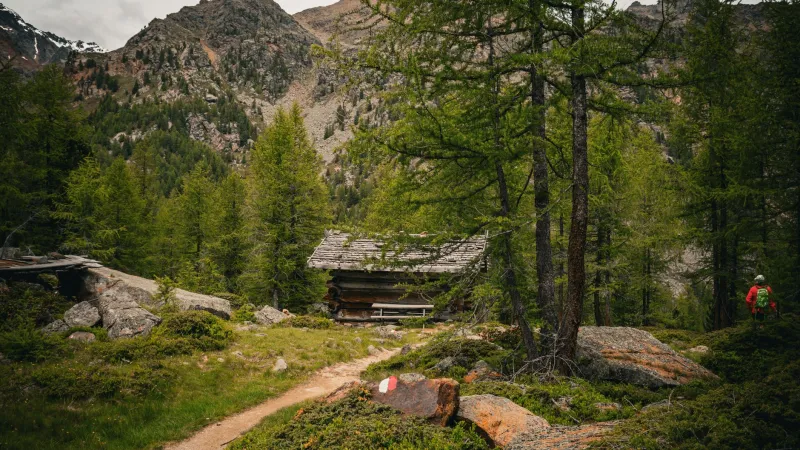
To understand why these caches exist, you have to understand why their trails disappeared. America's backcountry network has never been static. Routes that made geographic sense in 1950 — connecting mining camps, fire lookout stations, or early homesteads — became irrelevant as roads were rerouted, small towns dried up, and federal land management priorities shifted.
The rise of the Interstate Highway System in the late 1950s didn't just change how Americans drove — it quietly killed hundreds of overland foot routes that once served as connective tissue between rural communities. When the population centers moved, the trails that fed them became orphaned. Nobody officially closed them. Nobody removed the infrastructure. The forest just slowly swallowed everything.
In the Appalachians, trail historians have documented dozens of pre-AT routes — paths cut by CCC crews, hunting parties, and early naturalist clubs — that now exist only in fragmentary form. A stone cairn here. A rusted metal blaze on a dead oak. A shallow depression in the ground where a shelter floor once sat. These are the breadcrumbs of a trail culture that predates the modern hiking movement by generations.
The Ethics of the Find
Here's where things get genuinely complicated. When you stumble across a decades-old gear cache on a forgotten route, what's the right move?
The Leave No Trace framework doesn't have a clean answer for this one. On one hand, taking or disturbing historical artifacts on federal land can technically violate the Archaeological Resources Protection Act, depending on the age and nature of the items. On the other hand, leaving a deteriorating cache in place means watching it slowly poison the landscape with rust, degraded synthetics, and chemical leakage from old fuel canisters.
SAR volunteers tend to split into two camps. Some argue for a strict preservation ethic — document it, photograph it, report it to the relevant land agency, and leave it alone. Others take a more pragmatic view. "If there's a functioning emergency shelter out there and someone's life might depend on it someday, I'd rather it be maintained than left to rot for the sake of historical purity," says one SAR coordinator from the Pacific Northwest who asked not to be named.
The National Forest Service and BLM have inconsistent policies on this. Some districts actively catalog and protect backcountry heritage structures. Others simply don't have the staffing to care. Which means the decision often falls to the individual hiker — a moral pop quiz delivered by the wilderness.
Ghost Hikers and the People Who Leave Things Behind
Not all abandoned gear is ancient. Some of it is surprisingly recent, left by a distinct subset of the hiking world that long-distance trail communities sometimes call "ghost hikers" — people who walk remote routes alone, off-register, leaving behind deliberate deposits for others who might follow.
It's a practice with roots in older trail ethics, the kind that predates the permit system and the curated influencer hiking experience. The idea is simple: if you have more than you need, leave something. If the trail gave you something, give something back.
You'll find evidence of this practice on forgotten sections of the old Hayduke Trail corridor, along unmaintained spur routes off the Arizona Trail, and deep in the backcountry of the Bob Marshall Wilderness in Montana. Small stashes. Quiet gifts. No names attached.
There's something genuinely moving about it — the idea that a stranger trusted the trail enough to leave a piece of themselves behind for another stranger they'd never meet. It's the most honest kind of trail culture there is.
What These Relics Tell Us About Ourselves
At BomjTrek, we spend a lot of time thinking about what it means to go where the trail ends. And honestly, ghost gear caches are one of the most compelling answers to that question we've ever encountered. They're physical proof that the impulse to explore, to prepare, to help the next person through — that impulse doesn't require a trailhead kiosk or a five-star review on AllTrails.
These relics are also a quiet corrective to the myth that modern outdoor culture invented the backcountry experience. Long before gear brands and GPS watches, people were out there — cutting routes through dense timber, stashing supplies under granite slabs, trusting that someone would follow in their footsteps.
The next time you push past the end of a maintained trail and start picking your way through unmarked terrain, keep your eyes open. That weird depression in the hillside might be more than erosion. That cluster of rocks arranged a little too deliberately might mean something. And that rusted tin box under the overhang?
Maybe don't touch it. But definitely stop. Read the note. Let the weight of it land.
Some things are worth more left exactly where they are.